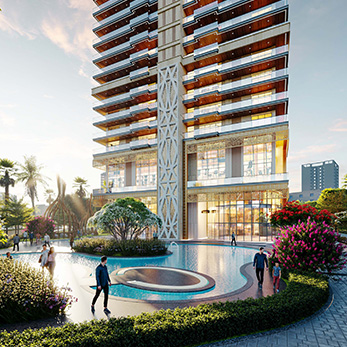

The Growing Importance of Mixed-Use Corridors in Urban India
Feb 21, 2026 . 0 COMMENTS
Urban India is experiencing a rapid wave of urbanization and urban growth continues to expand outward, with increasing levels of traffic congestion and infrastructure strain, creating a strong policy-backed solution for developing mixed use corridors.
These corridors feature integrated urban development, including residential, commercial, and recreational uses along major transit lines. Mixed-use corridors are now integrated with formally organised mixed use planning and the city development trends, resulting in their transition from mere trial runs to being an integral component of national urban planning efforts.
Why Are Mixed Use Corridors Becoming Central to Urban India’s Growth Strategy?
The following are the major factors causing urban India to adopt mixed-use corridors to achieve growth strategies:National TOD Policy Is Driving Structured Mixed Use Planning
The Ministry of Housing and Urban Affairs (MoHUA) established India's Policy for National Transit-Oriented Development (TOD) to promote compact, high-density, mixed-use development located within 500-800 metres of transit stations (BRTS corridors) and metro stations.Key mandates include:
- High floor area ratios (300–500% minimum): taller buildings near metro stations.
- Vertical mixed land use: shops, homes, and offices in the same building.
- Creating pedestrian-friendly streets: includes roads that are safer for walking.
- Non-motorised transport (NMT) priority: more focus on cycling than on using cars.
- 30% or more of housing is affordable: some homes must be budget-friendly.
- Value capture financing for transit funding: using rising land value to fund public transport.
- Reduce the car dependency
- Increase public transportation ridership
- Control urban sprawl
Where Are Mixed Use Corridors Taking Shape in India- Gurgaon, Delhi & Beyond?
Haryana is designating several roads as important urban corridors for growth. This includes- Golf Course Road and MG Road
- Dwarka Expressway
- Southern Peripheral Road
- Within 800-metre influence zones of transit lines, higher FAR and mixed-use complexes are permitted. This allows denser, walkable development supported by metro connectivity.
- For transit lines, within an 800-metre influence area, there is a higher floor area ratio (FAR), and mixed-use developments are allowed, resulting in higher density and walkable developments, enhancing access to the development via metro transit.
Delhi’s MPD 2041 is a plan to make the city of Delhi more walkable. It further promotes:
-
Vertical Mixing of Compatible Uses:
Stacking residential, commercial and retail uses in the same structure for an integrated, walkable environment -
Tradeable FAR Mechanisms:
Enabling developers to purchase or transfer additional buildable area rights through designated zones to increase density. -
Self-Sufficient Transit-Linked Zones
Creating transit stations near homes and jobs that are within walking distance
Why Are Mixed Use Corridors Important for Sustainable Growth Trends in Cities?
Two-way peak traffic (morning and evening) creates the potential for improved metro viability and increased commercial opportunity. All of the above results directly relate to emerging trends in urban corridors development that promote sustainability and resiliency.1. Residents
- - Living in walkable neighbourhoods
- - Neighbourhoods that offer greater pedestrian/cyclist safety
- - Access to affordable housing
- - Reduced daily travel fatigue
- - Steady residential catchment
- - Higher transit footfall
- - Infrastructure-backed density
- - Long-term viability
- - For developers in Gurgaon, policy-backed densification offers structured growth opportunities rather than speculative sprawl.
What Next for Mixed Use Corridors in India’s Urban Development Journey?
India’s urban corridor growth will focus more on metro lines and major roads instead of spreading randomly in different directions.In the coming years, you will see
- Homes and offices built near the metro station
- Stronger enforcement of TOD guidelines
- Affordable housing integration
- City development trends leading to the building of new business hubs
Key Takeaways
- Mixed use corridors are policy-backed growth models in India.
- The National TOD Policy provides central development within a 500-800 metre walking range of all new subway stations or transit centres.
- Developing cities like Gurgaon and Delhi are actively implementing TOD-aligned urban corridors.
- Benefits include shorter trips, reduced congestion, and lower carbon impact.
- Corridor-led development reflects long-term city development trends toward sustainability and efficiency.
FAQs
-
What are mixed use corridors?
Mixed use corridors are stretches near transit lines where homes, shops, offices, and services are planned together to create walkable, connected neighbourhoods. -
What is TOD in simple terms?
encourages compact, high-density development within 500–800 m of transit stations to boost public transport use -
Why are mixed use corridors important?
These corridors help reduce travel time, lower traffic congestion, cut emissions, and improve access to daily needs right next to transit. -
Which cities are developing urban corridors?
Urban development in mixed use corridors is occurring in major metropolitan areas, including Delhi, Gurgaon, Noida, and other metropolitan areas along public transportation routes. -
How do mixed use corridors benefit residents?
Mixed use corridors promote sustainable, compact urban growth by connecting land use with transport, improving quality of life, and supporting economic activity around transit hubs.

How useful was this blog?


