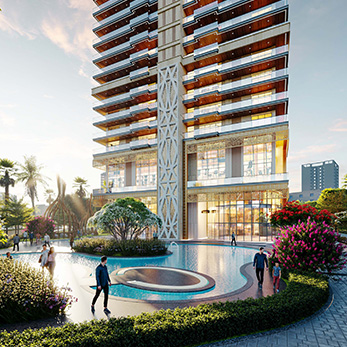
High Rise vs Low Rise Apartments: Which One Should You Choose?
Jan 30, 2026 . 0 COMMENTS
Buying a home is rarely a purely logical decision. On paper, it’s about budgets, locations, and floor plans. In reality, it’s about how you want your everyday life to feel.
Some people like living above the city. Watching lights turn on at dusk. Feeling slightly removed from the noise below. Others prefer staying closer to the ground. Fewer neighbours. Shorter corridors. A quieter, more personal pace.
That’s why the question of high rise vs low rise apartments
keeps coming up. As cities grow denser and lifestyles become more defined, this choice matters more than it used to.
Let’s break it down.
What is a High Rise and Low Rise Apartment?
The difference between high rise and low rise apartments starts with their structure and living experience. Understanding this is essential for anyone exploring real estate investing or buying a home.High-rise apartments are buildings with typically 10 or more floors, designed for modern urban living. They offer better views, premium amenities, and are usually located in prime city areas with high demand.
Low-rise apartments, on the other hand, usually have 1 to 4 floors and provide a quieter, more community-focused lifestyle. These homes are ideal for families and buyers who prefer less crowd and easier access.
High Rise vs Low Rise Apartments: Key Differences
| Feature | High Rise Apartments | Low Rise Apartments |
|---|---|---|
| Number of Floors | 10+ floors | 1–4 floors |
| Elevator | Mandatory | Optional |
| Views | Panoramic city views | Limited / garden views |
| Living Space | Compact | More spacious |
| Amenities | Luxury amenities | Limited amenities |
| Security | Advanced security | Basic / gated |
| Community Feel | Less personal | More community feel |
| Noise Levels | Higher | Quieter |
| Accessibility | Elevator dependent | Easy access |
| Emergency Response | Slower evacuation | Faster evacuation |
| Cost | Higher | More affordable |
| Maintenance Charges | High | Low |
| Investment Value | High appreciation | Stable value |
Quick Summary: High Rise vs Low Rise Apartments
High-rise apartments are best for investors and professionals looking for better rental income and modern amenities in urban areas.Low-rise apartments are ideal for families and homebuyers who prefer peaceful living, lower density, and long-term comfort.
Benefits of High Rise and Low Rise Apartments
High-rise apartments are popular in metro cities due to their modern features and investment potential.- Better city views and natural light
- Access to premium amenities like gym, pool, and clubhouse
- Higher rental demand in urban locations
Benefits of Low Rise Apartments
Low-rise apartments offer a different kind of living experience focused on comfort and simplicity.- Less crowded and more peaceful environment
- Lower maintenance costs
- Strong sense of community living
Pros and Cons of High Rise vs Low Rise Apartments
Both high rise and low rise apartments come with their own advantages and limitationsHigh rise apartments offer better amenities, security, and views, but may involve higher maintenance costs and dependency on elevators.
Low rise apartments provide easier access, lower costs, and a quieter environment, but may have limited amenities compared to high rise developments.
Which is Better: High Rise or Low Rise Apartments?
Choosing between high rise and low rise apartments depends on your lifestyle, budget, and investment goals.High rise apartments are a better choice for investors and working professionals as they offer higher rental demand, better connectivity, and access to modern amenities in urban areas.
Low rise apartments are more suitable for families, senior citizens, and end-users who prefer a peaceful environment, lower density, and easy accessibility without dependency on elevators.
If your goal is investment and rental income, high-rise apartments may be the better option. However, if you prioritise comfort, privacy, and long-term living, low-rise apartments are a smarter choice.
Understanding the Core Difference
At a basic level, the difference is straightforward.- - High-rise apartments usually sit in buildings with 10 floors or more, often part of large gated developments.
- - Low rise apartments are smaller buildings, typically limited to four or five floors, with fewer homes per block.
What are High Rise Apartments?
High-rise apartments are a response to urban density. They grow vertically, so cities don’t have to keep spreading outward. What attracts people to high-rise living:- Elevated views and better daylight on higher floors
- Reduced street-level noise
- Larger shared amenities like pools, gyms, lounges, and gardens
That said, high-rise apartments come with trade-offs. Elevators become essential. Common areas are shared by many more residents. During peak hours, life can feel busier than expected.
For some, that energy is exciting. For others, it can feel overwhelming over time.
What are Low Rise Apartments?
Low-rise apartments offer a different kind of appeal. One that’s quieter and less performative.With fewer floors and fewer residents, everyday life feels more predictable. You’re closer to the ground, closer to exits, and often closer to your neighbours.
Why people lean toward low-rise apartments:
- Minimal reliance on elevators
- Less crowding in lobbies and common areas
- A stronger sense of familiarity within the building
Apartment Living Comparison: Lifestyle Comes First
A meaningful apartment living comparison starts with lifestyle, not height.Ask yourself:
- Do you enjoy being around people, or do you prefer quieter surroundings?
- Are city views important, or is ease of access more valuable?
- Do you want large shared amenities or simpler upkeep?
Neither choice is better. They simply serve different ways of living.
Family Friendly Apartments: What Works in the Long Run?
When choosing family-friendly apartments, practicality starts to outweigh novelty.High-rise communities usually offer:
- Secured premises with controlled access
- Designated play zones and activity areas
- Multiple amenities within the complex
These can be helpful for families juggling work, school, and daily routines.
Low-rise apartments, on the other hand, offer:
- Easier movement for children and elderly members
- Less waiting time and dependence on lifts
- A closer-knit, more watchful community
Families with very young children or seniors often find low-rise living more comfortable. Families with older kids may appreciate the structured amenities of high-rise developments.
High-rise Apartments Vs Low-rise Apartments
Maintenance is where the difference becomes more visible over time.High-rise apartments usually involve:
- Higher maintenance costs due to elevators, power backups, and ameniti
- Professional facility management
- Advanced fire and security systems
- Lower monthly maintenance
- Simpler infrastructure
- Faster access during emergencies
Both formats can be safe and well-managed. The difference lies in complexity and cost, not capability.
High Rise vs Low Rise Apartments: Investment Perspective in Gurgaon
From a real estate investment perspective, both high rise and low rise apartments offer different advantages in markets like Gurgaon.High rise apartments in Gurgaon often deliver better rental yield due to strong demand from working professionals and proximity to business hubs like Cyber City and Golf Course Road.
Low rise apartments, especially in emerging sectors and areas near Dwarka Expressway, offer strong long-term appreciation and stable demand among end-users looking for low-density living.
For investors, the choice depends on investment goals. High rise properties may provide faster rental income, while low rise developments can offer better long term value growth.
High Rise vs Low Rise Apartments in Gurgaon: What Should You Choose?
Gurgaon has become one of the top real estate destinations in India, offering a wide range of both high rise and low rise apartment options.High-rise apartments in Gurgaon are mostly located in premium sectors and offer modern amenities, better connectivity, and strong rental demand, making them ideal for investors and working professionals.
Low-rise apartments are gaining popularity in areas like Dwarka Expressway and New Gurgaon due to lower density, better space utilisation, and a more comfortable living experience.
For homebuyers, choosing between high rise and low rise apartments in Gurgaon depends on budget, lifestyle preferences, and long-term investment goals.
Making the Right Choice for You
The high rise vs low rise apartments debate doesn’t have a definitive answer. And that’s the point.
If you value views, amenities, and an active urban environment, high-rise apartments suit you. If you value quiet mornings, easy access, and a sense of community grounded in your neighbourhood, low-rise apartments may feel more like home.
Your home should support your life, not complicate it. Choose the format that aligns with how you live today and how you see yourself living tomorrow.
Everything else is just architecture.
FAQs
-
Q. What is the difference between high rise and low rise apartments?
The main difference between high rise and low rise apartments is the number of floors and lifestyle. High-rise apartments have 10+ floors and offer modern amenities, while low-rise apartments usually have 1–4 floors and provide a quieter living environment. -
Q. What is a low rise apartment?
A low rise apartment is a residential building with typically 1 to 4 floors. These apartments are known for lower density, less crowd, and a more community-focused lifestyle. -
Q. What is a high rise apartment?
A high rise apartment is a building with 10 or more floors, designed for urban living with better views, advanced amenities, and higher population density. -
Q. How does location affect property prices in real estate investing?
Location directly impacts property prices, demand, and appreciation. Properties in well-connected areas like Gurgaon or emerging zones like Dwarka Expressway tend to perform better in real estate investing. -
Q. Which is better: high rise or low rise apartments?
High rise apartments are better for investors and professionals due to higher rental demand, while low rise apartments are better for families and end-users who prefer comfort and less crowd. -
Q. What are the benefits of low rise apartments?
Low rise apartments offer lower maintenance costs, less crowd, better privacy, and a stronger sense of community, making them ideal for long-term living. -
Q. What are the benefits of high rise apartments?
High rise apartments provide better views, modern amenities, enhanced security, and higher rental yield in urban locations. -
Q. Are low rise apartments a good investment?
Yes, low rise apartments can be a good investment, especially in developing areas like Gurgaon, where demand for low-density living is increasing. -
Q. Are high rise apartments better for rental income?
Yes, high rise apartments generally offer better rental income due to higher demand from working professionals in urban areas. -
Q. How to choose between high rise and low rise apartments?
Choose high rise apartments for amenities and investment returns, and low rise apartments for comfort, privacy, and long-term living needs.

How useful was this blog?


