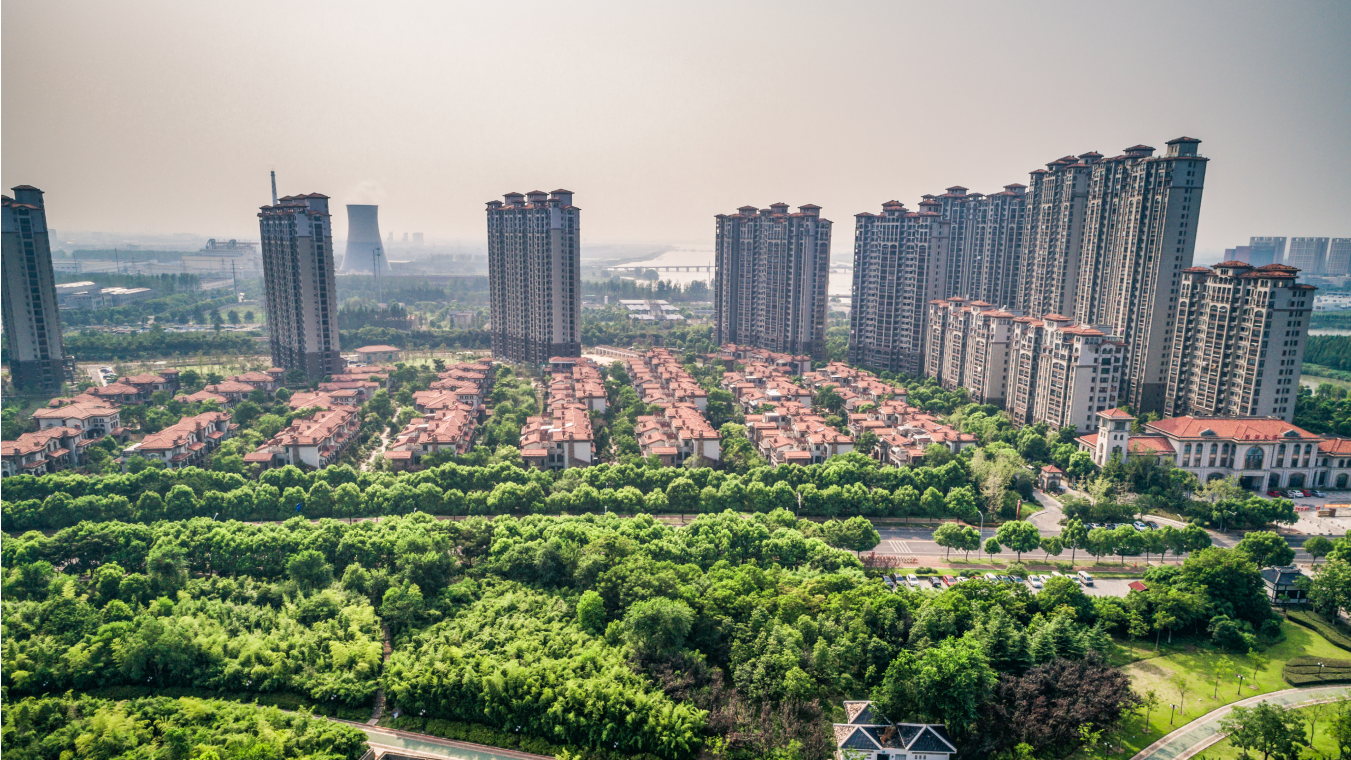
The Future of Urban Living: The Rise of Mixed-Use Developments
Jan 29, 2026 . 0 COMMENTS
Cities have always reflected how people live. When work required proximity, cities became dense. When cars took over, cities stretched outward. Today, cities are shifting again, driven not by technology alone, but by fatigue.
.
Fatigue from long commutes. From lives split into compartments. From spending hours each day just moving between roles rather than living them.
What’s emerging instead is a quieter, more intelligent way of building cities. The rise of mixed-use development isn’t a trend you ride. It’s a correction you arrive at.
Here’s the thing. Urban living doesn’t need to be louder or taller. It needs to be better designed.
Why Urban Living in India Is Being Rewritten
Urban living in India expanded at speed. Often without pause. Cities grew outward, but everyday life became scattered.What this expansion led to was predictable:
- Long, inefficient commutes that drained time and energy
- Residential zones disconnected from employment hubs
- Leisure pushed to weekends and traffic-free hours
Today, priorities are shifting. Access matters more than address. Walkability matters more than sprawl. Time has become the most valuable luxury, especially for urban professionals and families.
People no longer want to live in the city. They want to live within it, without constantly negotiating distance.
What a Mixed-Use Development Really Means
At its core, a mixed-use development integrates living, working, shopping, and social spaces into a single ecosystem. But the real value doesn’t sit on a master plan. It shows up in daily behaviour.Here’s what changes when spaces are integrated:
- Less time spent commuting, more time reclaimed
- More walking, less dependence on vehicles
- Natural social interaction instead of forced community
When done right, a mixed-use development doesn’t announce itself. It simply makes everyday life easier.
Mixed Use Development in India: A More Mature Phase
Early mixed-use development in India was largely functional. Residential towers above retail. Efficient, but limited in impact.The new generation is more intentional:
- District-style planning instead of standalone buildings
- Office zones that sustain retail through the week.
- Homes opening into streets, not parking lots
Integrated Townships and the Scale of Self-Sufficiency
Integrated townships extend the mixed-use idea across a much larger canvas.They work because everything is planned together from day one:
- Housing, schools, healthcare, and offices
- Retail, leisure, and community spaces
- Infrastructure designed for longevity, not short-term load
The result is not isolation, but balance. Integrated townships reduce pressure on nearby urban centres while offering residents a complete, well-organised lifestyle within a defined boundary.
In fast-growing cities, this level of foresight isn’t optional anymore. It’s necessary.
The Live Work Play Concept in Practice
The live work play concept only works when it’s real, not rhetorical.It means starting your day without a commute. Running errands on foot. Working close enough to come home for lunch. Spending evenings in familiar neighbourhood spaces.
This proximity restores rhythm to daily life. It strengthens communities. It gives people back time, which no amenity brochure can replace.
When done right, the live-work-play concept becomes invisible. It simply feels natural.
Sustainability Built Into Daily Life
A well-designed mixed-use development is sustainable without trying too hard.Here’s why:
- Shorter travel distances lower emissions
- Shared infrastructure reduces duplication of resources
- Walkable streets encourage healthier lifestyles
There’s social sustainability too. Active streets feel safer. Local businesses benefit from consistent footfall. Neighbourhoods stay alive beyond office hours or weekends.
This is how cities build resilience. Not through constant expansion, but through better utilisation of space.
What This Shift Signals for the Future
The future of urban living in India won’t be defined by isolated landmarks or singular towers. It will be shaped by how well cities function at a human scale.As work becomes more flexible and lifestyles more intentional, integrated environments will move from preference to expectation. Developers are no longer just selling square footage. They’re shaping everyday experiences.
The mixed-use development model sits quietly at the centre of this shift. Practical. Thoughtful. And long overdue.
Building better, not just bigger.
FAQs
What is a mixed-use development?
A development that combines residential, commercial, retail, and social spaces within one integrated area.
Why are mixed-use developments gaining popularity in India?
They reduce commute times, improve quality of life, and create more efficient urban environments.
How are integrated townships different from regular projects?
They plan housing, infrastructure, and amenities together at a larger, city-like scale.
What does the live-work-play concept mean?
Living, working, and leisure spaces are designed close together to simplify daily life.
Are mixed-use developments more sustainable?
Yes. They reduce travel, share resources, and support healthier urban living patterns.

How useful was this blog?


